Why Component Shortages Change Consumer Electronics Prices
A component shortage is not just a factory problem. It changes which products get made, what features survive, how retailers price inventory, and why older devices can become more valuable.

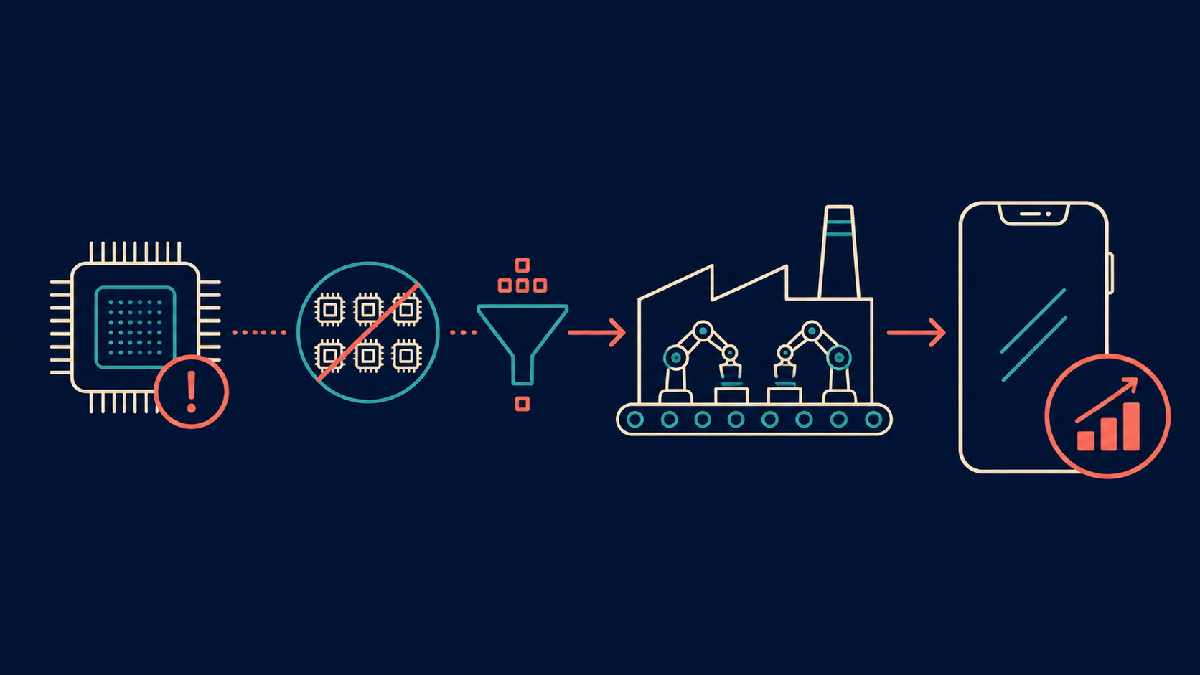
A Shortage Is a Pricing Signal, Not Just an Empty Shelf
Consumer electronics depend on long supply chains: chip designers, foundries, memory makers, assembly plants, logistics firms, distributors, retailers, and repair networks. When a widely used component becomes scarce or more expensive, the effect moves through that chain unevenly.
IDC's analysis of the memory market explains why smartphones are vulnerable: memory is a meaningful part of a device's cost structure. When prices rise or supply is hard to secure, manufacturers can absorb some cost, reduce other specifications, raise prices, prioritise higher-margin models, delay launches, or ship fewer units. Each response changes what a customer sees on a shelf.
Why Higher Component Prices Do Not Produce One Universal Outcome
Large manufacturers can use long-term agreements, scale, cash reserves, and product mix to soften a shock. Smaller brands may have less purchasing power and less room to absorb higher costs. Premium buyers may still choose a new device, while budget-conscious buyers postpone replacement, repair an older phone, or buy used.
That is a useful microeconomic lesson. The same supply shock produces different outcomes because buyers have different alternatives and sellers have different margins. A manufacturer that sells a high-margin flagship device has more flexibility than one that competes mainly on the lowest price.
Where Value Is Created When New Devices Cost More
A higher new-device price can make existing devices more valuable, provided they remain secure and useful. This supports trade-ins, refurbishment, repair, accessories, warranties, marketplaces, and comparison content. It does not mean every used device becomes a good business. Condition, update support, repair costs, network compatibility, and customer trust still determine value.
IDC has noted that price-sensitive consumers may extend device lifecycles or move to affordable used smartphones when memory costs rise. That is the bridge from an upstream component market to an everyday buying decision. A shortage can therefore reshape the entire device ecosystem rather than merely change a price tag.
What a Small Business Can Learn
The useful response is not to speculate on shortages or stockpile products. Small businesses can help customers make better decisions: explain model compatibility, repair viable devices, make trade-in conditions clearer, or build comparison content that shows all-in ownership cost. A repair shop can focus on batteries, screens, charging ports, and data transfer. A retailer can make its returns and warranty terms easy to understand. A publisher can explain the trade-off between buying new, refurbished, and repaired.
The smallest sensible test is a customer-question audit. Record the questions customers repeatedly ask about price, availability, repair, warranty, and older models. If the same uncertainty appears often, an explainer, service package, or transparent checklist may be more valuable than a broad claim about a trend.
Risks and Limits
Shortages can ease, pricing can change, and forecasts are not guarantees. A buyer should not purchase a device simply because it might hold value. A small operator should not treat temporary scarcity as proof of durable demand. Ensure that any repair, resale, or collection activity follows local consumer, environmental, privacy, and tax rules.
Final Takeaway
Component scarcity teaches a durable lesson about markets: costs travel through products, but they do not travel evenly. The most useful opportunities are often in reducing the confusion that the price change creates for buyers, rather than trying to predict the next shortage.