Refurbished Smartphones Explained: Why Used Phones Matter When New Devices Cost More
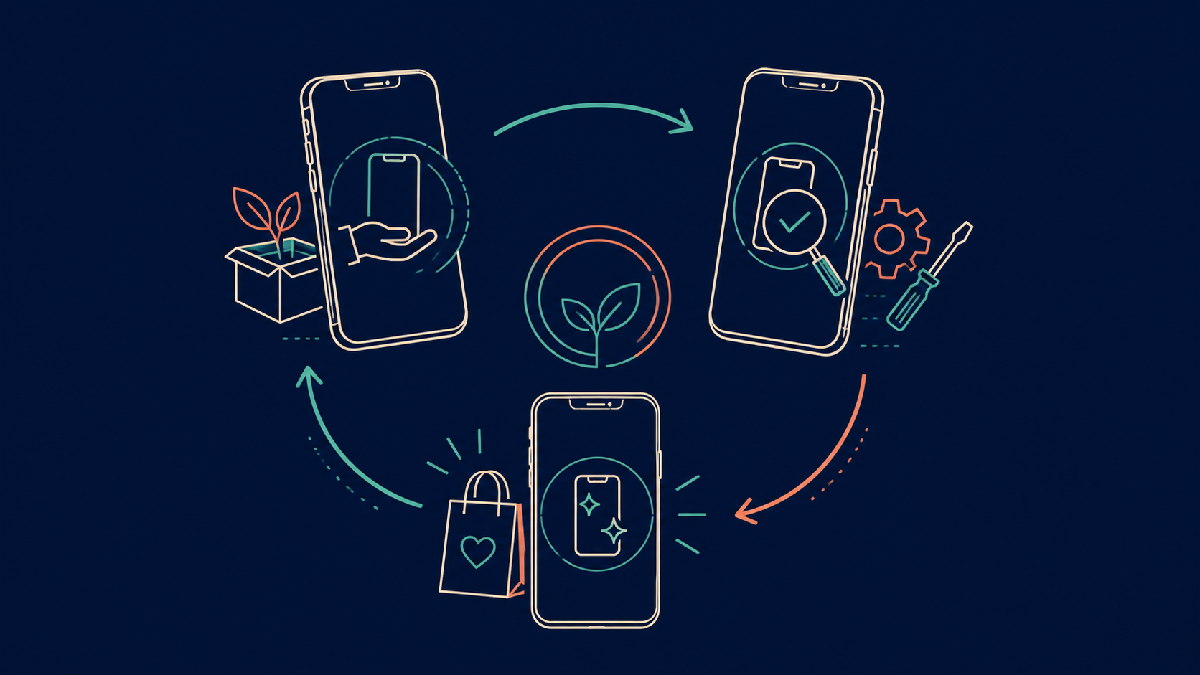
A used phone is not simply a cheaper new phone. It is the output of a trade-in, testing, repair, data-erasure, resale, and warranty system that becomes more important when new-device costs rise.

Why People Are Searching for Refurbished Smartphones
A refurbished smartphone becomes interesting when the difference between a new phone and a capable older one stops feeling cosmetic. A buyer may be asking a simple question: can this phone handle banking, maps, messaging, work apps, photography, and security updates without consuming too much of the household budget?
That question has a wider economic story behind it. IDC has described memory as a major part of a smartphone's cost structure and expects higher memory costs to weigh on phone volumes and pricing. Its analysis also says price-sensitive buyers may keep devices longer or turn to used phones. The result is not merely a shopping trend. It is a shift in how a scarce, expensive device remains useful after its first owner is finished with it.
The durable concept is resale value. A phone has value at several moments: when it is sold new, when an owner trades it in, when a technician restores it, when a reseller offers it with a warranty, and when a buyer uses it for several more years. Understanding those stages helps a reader compare a bargain with a false economy.
The Short History Behind Refurbished Phones
Second-hand phones once sat largely in informal markets. A buyer accepted an unknown battery, an unclear repair history, and little recourse if the device was locked or faulty. Formal refurbishment made the market more legible. It added device grading, diagnostics, replacement parts, data wiping, packaging, returns, and warranties.
Trade-in programmes are an important source of supply. Apple, for example, offers credit or gift cards for eligible Apple and third-party devices. That is not an act of charity: trade-ins can reduce the effective price of a replacement, bring a customer back into a sales channel, and create inventory for resale or recycling partners. Apple also sells certified refurbished products, showing why the distinction between a used device and a tested, warranted device matters.
The market is global, but the details vary. A reliable seller in one country may have different consumer-protection rules, network bands, charger standards, repair-part availability, and warranty obligations from a seller elsewhere. The principle travels well: the more information a buyer can verify before paying, the less value depends on luck.
How the Refurbishment Value Chain Works
The first value transfer occurs at trade-in. The original owner accepts less than the device's eventual retail price in exchange for speed and convenience. The buyer of the trade-in accepts inventory risk: it may discover a weak battery, water damage, an account lock, a poor display, or a model that is difficult to sell.
Next comes inspection. A serious refurbisher checks identity and lock status, screen condition, cameras, speakers, charging, buttons, connectivity, battery health, and signs of damage. It erases data and may replace consumable or damaged components. This is where a used phone becomes a product rather than a private transaction.
Then comes grading and distribution. A cosmetic grade should describe appearance, not quietly substitute for a functional warranty. Resellers price devices by model, storage, condition, battery, colour, network compatibility, included accessories, and expected return rate. Shipping, payment processing, fraud, customer service, warranty claims, and unsold inventory all sit between the headline margin and an actual profit.
Finally, the buyer gains a lower purchase price and the remaining useful life of the device. That is why a refurbished phone can create value for both sides even when it is cheaper than new: the seller reduces uncertainty, while the buyer avoids paying for performance they do not need.
How to Judge a Refurbished Phone Before You Buy
Start with the model, not the discount. Check whether it still receives security updates and whether the storage and memory fit the apps and files you use. A cheap phone that cannot safely run essential apps is not a bargain.
Check who is making the promise. A manufacturer-certified programme, a specialist refurbisher, a major marketplace seller, and a private individual offer different protections. Read the warranty length, return window, battery standard, grading definition, shipping terms, and who pays if the device is faulty. Confirm that the phone is unlocked for your carrier where relevant and supports the local network bands you need.
Ask whether the price gap covers the risk. Compare the refurbished price with a new equivalent, not only with the launch price of the same model. Then reserve room for a case, charger, battery replacement, repair, or a shorter warranty. If the price difference is tiny, new may be the more sensible choice. If the saving is substantial and the seller offers clear recourse, refurbished can be a disciplined purchase rather than a compromise.
Avoid devices with an activation lock, vague provenance, a missing serial number, unexplained aftermarket parts, or a seller who will not state the return policy. Back up and wipe your old phone before trading it in, and remove accounts and device-finding locks as the programme instructs.
Who Is Already Making Money From the Market
Manufacturers monetize trade-ins by supporting replacement sales, customer retention, and certified resale. Carriers and retailers can use similar offers to lower an upgrade's upfront cost and keep customers inside their channels.
Marketplaces monetize the transaction layer. In its 2025 annual report, eBay said its revenue is primarily derived from a take rate on gross merchandise value processed through its marketplace. That model does not depend on owning every device. It earns by helping inventory, buyers, payments, and trust meet.
Refurbishers monetize operational expertise. Their revenue comes from the spread between acquired inventory and resale price, but their real work is quality control, repair, grading, warranty management, fraud prevention, and distribution. Logistics firms, repair shops, parts suppliers, insurers, and software providers also participate. The opportunity is therefore an ecosystem, not one universal startup idea.
A Realistic Small-Entrant Opportunity
The strongest small opportunities are service-led. A local repair shop can add transparent diagnostics, battery replacement, data-transfer help, and a short warranty. A content publisher can answer high-intent questions about update support, carrier compatibility, grades, and buying checklists. A business IT provider can help a small organisation collect, wipe, resell, or responsibly recycle staff devices.
The smallest sensible test is not buying a box of phones. Interview ten likely buyers or local businesses, identify the models and trust concerns they mention, and test one service page or one carefully sourced device with written intake, inspection, pricing, and return rules. Track time spent, repair costs, returns, and customer questions. If trust and support costs erase the margin, the market has supplied a useful answer before much capital is committed.
Risks and What to Watch Out For
Counterfeit parts, stolen devices, hidden damage, poor data handling, battery failures, and misleading grades can destroy trust quickly. Inventory prices can also change faster than a small seller expects. A model may lose software support, an insurer may exclude a claim, or a network change may make a device less useful in a particular market.
For buyers, do not treat an article as personalised financial advice or assume a warranty has the same legal meaning everywhere. Read the local terms, test the phone during the return period, and keep records of the listing and receipt.
Final Takeaway
Refurbished smartphones matter because they turn a one-time electronics purchase into a market for remaining useful life. The best value is created by reducing uncertainty: clear testing, honest grading, secure data handling, workable warranties, and a price that reflects the risks left with the buyer. That makes the category useful for consumers, repairers, marketplaces, and anyone trying to understand how a supply constraint can reshape an everyday market.
Sources
- IDC: memory shortage and smartphone-market impact
- Apple Trade In
- Apple Certified Refurbished
- eBay 2025 annual report