Smart Rings Sell Data, but the First Valuable Service Is Fit
A smart ring can look like a simple piece of jewellery while tying its owner to sensors, an app, a charging routine and, in some cases, a membership. The useful small-business role is to make that purchase legible before a buyer commits to a device that may not fit their hand, phone or expectations.

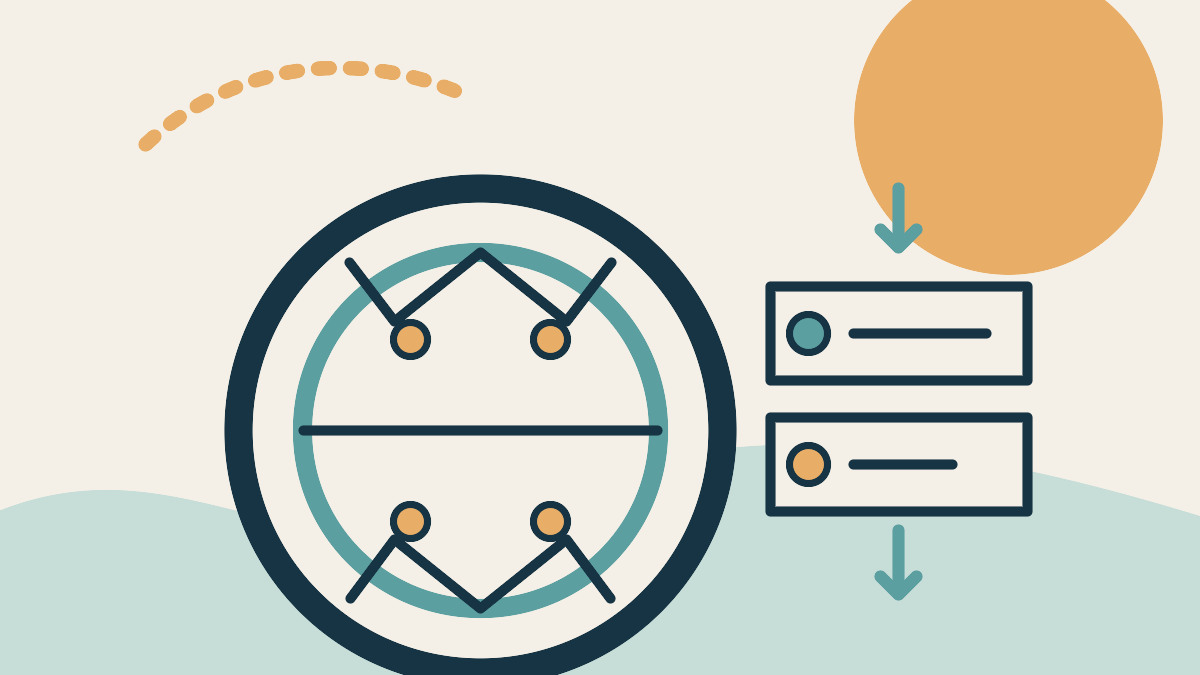
The ring is small. The buying decision is not.
Smart rings appeal to people who want sleep, activity and recovery information without wearing a screen on their wrist. The hardware is compact, but a purchase includes more than a ring. The buyer has to judge physical fit, phone compatibility, charging habits, subscription terms, feature availability and the meaning of a stream of wellness data.
That bundle creates a modest commercial opening. A beginner should not try to manufacture rings or promise health insight. A more credible role is a buyer-fit and setup service: help a person compare their intended use, confirm the supported phone and country availability, use a sizing kit properly, and leave with a written record of costs, limits and return conditions. The customer pays for a better purchase decision, while the operator earns a fixed research or setup fee, disclosed affiliate income where appropriate, or both.
The distinction matters. A wearable can be attractive and still be a poor fit for someone whose fingers swell during exercise, whose phone is unsupported, or whose budget excludes an ongoing membership. Good advice in this category should prevent an avoidable return and stay within a buying decision rather than a medical consultation.
A quiet wearable became a subscription and software category
Ring-shaped activity trackers grew from a simple design premise: move sensors away from a bright wrist display and into a form that can be worn through sleep. The result is a device that measures signals through the finger and passes them to a companion app, where software turns readings into scores, trends and prompts. The category sits between jewellery, consumer electronics and wellness software.
That history explains why the market has several revenue layers. A manufacturer can sell the ring, a charger, finishes and replacements. It can also sell a membership that funds app features and ongoing analysis. Retailers and marketplaces sell access and fulfil returns. Reviewers, creators and local specialists can reduce buyer confusion. Each layer has different economics and different responsibilities.
Industry forecasts should be handled cautiously, but they establish that this is a real product category rather than a novelty. IDC projects 4.9 million smart-ring shipments in its stated forecast period and describes rising participation beyond the category leader. The useful implication for a small entrant is narrower: more buyers face a recurring compatibility and expectation problem. A shipment forecast is evidence of attention to the category; it does not prove that a new reseller will earn a margin.
The useful product is a decision record with a firm health boundary
The central customer job is simple: choose a ring that can be worn consistently and whose total cost and software fit make sense. The hard part is that the evidence is scattered across product pages, app-store listings, country availability notes, return policies and a sizing kit.
A buyer-fit record can keep that work in one place. It should cover the intended use, phone and operating-system version, available models in the buyer's market, ring-size-kit result after a full day and night of wear, charging arrangement, recurring membership cost where applicable, data-export options, return deadline and the feature claims the buyer expects to use. It should also state what has not been checked, including long-term sensor accuracy and future software changes.
This is MarketLens' main judgment: the highest-value early offer is a short, documented decision service rather than a generic product review. A review tells a broad audience what a writer experienced. A decision record answers whether one buyer can wear, connect, afford and return one device. That difference makes the work both more useful and easier to define.
Fit is the first operating constraint
Smart-ring sizing is not a cosmetic detail. Oura's support material directs buyers to use a sizing kit before ordering, and independent test coverage repeatedly treats comfort, durability, battery behaviour and fit as core comparison criteria. A person can know their conventional jewellery size and still need a different smart-ring size because the sensor housing and ring shape change the feel.
The practical test is more demanding than slipping a sample on for a minute. The buyer should wear the proposed sample through ordinary handwashing, computer work, sleep and the parts of the day when their fingers tend to change size. They should confirm that it turns freely only with effort, comes off without force, and stays comfortable. The operator should avoid making a fit promise. Their job is to document the buyer's own trial and the seller's exchange terms.
This constraint also explains why blind resale is weak for a beginner. A reseller who carries sizes, colours and chargers takes inventory risk before knowing which combinations local buyers want. A fit adviser can work with a customer-supplied sizing kit or a retailer's official process. The first approach has almost no stock exposure and produces useful evidence about which questions recur.
Where established operators take the larger share
The category leader, Oura, illustrates the hardware-plus-membership model. Its membership page lists a monthly price in US dollars, a free first month for new members and app-based access to its broader feature set. Oura also says it has reached six million paid members. Those are company statements, and they show why a manufacturer can support software, data infrastructure, customer support and product development through recurring income as well as the initial hardware sale.
Samsung represents a different scale of advantage. Its Galaxy Ring sits inside the Samsung Health and Galaxy-device ecosystem, while Samsung's Device eXperience division spans mobile devices and related consumer electronics. A small operator cannot reproduce that distribution, engineering, app integration or regional support. The accessible layer is translation: explaining a buyer's actual phone, account, charging and feature situation without pretending to be the manufacturer.
Retailers hold another advantage: they can process purchases, returns and statutory obligations at scale. A local adviser should preserve that route. They can help a buyer capture product and order information, but should not represent a seller, promise a warranty outcome or take possession of personal health data.
Three offers that match the evidence
A paid smart-ring fit call. A 30-minute remote or in-person session can collect the buyer's phone, intended wear, budget boundary and access to a sizing kit. The deliverable is a one-page shortlist with compatibility links, recurring-cost note, fit-test instructions and return-policy questions. The service should not rank health outcomes or diagnose anything.
A setup and privacy handoff. After a buyer has chosen a ring, an operator can help connect the app, explain the permissions screen, show where exports and account settings live, and create a simple charging and support note. The client controls every login and every health setting. This works best for an established local technology-support business with clear consent practices.
A use-case buyer guide. A publisher can create tightly scoped guides such as smart rings for people who dislike sleeping in a watch, buyers who need cross-platform phone support, or purchasers comparing one-time hardware cost with membership cost. The commercial model can include declared affiliate links. The guide needs explicit sourcing, updates when policies change, and no claim that a device measures or treats a medical condition.
None of these offers depends on carrying stock. Their economic engine is time saved and an expensive mismatch avoided. A fixed fee needs a real time boundary. For example, a 35-minute session might include 10 minutes of intake, 15 minutes of compatibility and cost checks, and 10 minutes to send the decision record. The arithmetic is 10 + 15 + 10 = 35 minutes before payment fees, preparation and follow-up. If messages routinely double that time, the offer needs a higher price, firmer scope or a different format.
The health boundary is a commercial boundary too
Smart rings can encourage useful habits, yet wellness data is not a diagnosis. The US Food and Drug Administration warns against smartwatches or smart rings claiming to measure blood glucose without piercing the skin and says it has not authorized such devices for that purpose. Rules vary across countries, but the operational lesson is global: do not market a ring, a guide or a setup service as a substitute for clinical care.
An operator should avoid interpreting scores, advising on medication, describing a reading as proof of a condition, or retaining a client's health data. The service can point a customer to manufacturer information and remind them to seek qualified local medical advice for symptoms or treatment decisions. This boundary protects the customer and keeps a practical buying service from becoming an unsafe, regulated health claim.
Test demand before buying samples or advertising
The smallest sensible test is a no-inventory pilot. Make a one-page offer called something like “smart-ring fit and setup check.” State the exact inputs needed: phone model, market, budget range, intended use and whether the person can access an official sizing kit. State the output: a compatibility record, a fit-test checklist and a list of questions for the retailer. Cap the appointment at 35 minutes.
Invite ten prospective buyers from an existing local technology-support audience or a clearly identified online community. Ask what nearly stopped their purchase: fit, phone support, recurring price, app privacy, feature availability or confidence in the data. Then offer three paid pilots at a modest fixed price. Do not buy rings, collect logins, handle health data or advertise medical benefits.
The evidence to continue is specific. At least three people should pay for the same defined outcome, and the same two or three questions should recur. That pattern supports a repeatable checklist or buyer guide. If people only want free medical interpretation or insist that the operator guarantee comfort and accuracy, the service has found a boundary rather than a market.
Who should build this layer, and who should skip it
This fits a careful consumer-technology reviewer, a local device-support business, or a creator who already earns trust through detailed compatibility work. The advantage comes from accurate documentation, country-aware availability checks, clean disclosure and the discipline to separate direct product facts from personal preference.
It does not suit a seller looking for rapid hardware margins, someone without privacy practices, or anyone tempted to turn wellness metrics into clinical advice. The devices may be small, but customer expectations can be large. A wrong fit, a failed return or an unsupported health claim can erase the value of a low-priced sale.
Smart rings have created a real consumer decision problem. The promising small-business response is humble and concrete: help buyers establish fit, compatibility, ongoing cost and limits before they purchase. Let paid demand for that record determine whether a fuller guide, setup service or referral partnership deserves more time.
Sources
- IDC wearable-device market outlook
- Oura membership information
- Oura announcement on paid members
- Oura sizing-kit support
- Samsung Galaxy Ring information
- FDA safety communication on smart rings and blood-glucose claims