Galaxy S26 Qi2 Charging Has a Missing Piece: Compatibility
Galaxy S26 owners are finding that magnetic charging is not a single purchase but a chain of fit, alignment and function. The useful business is not another pile of cases. It is reliable proof that a particular combination works.

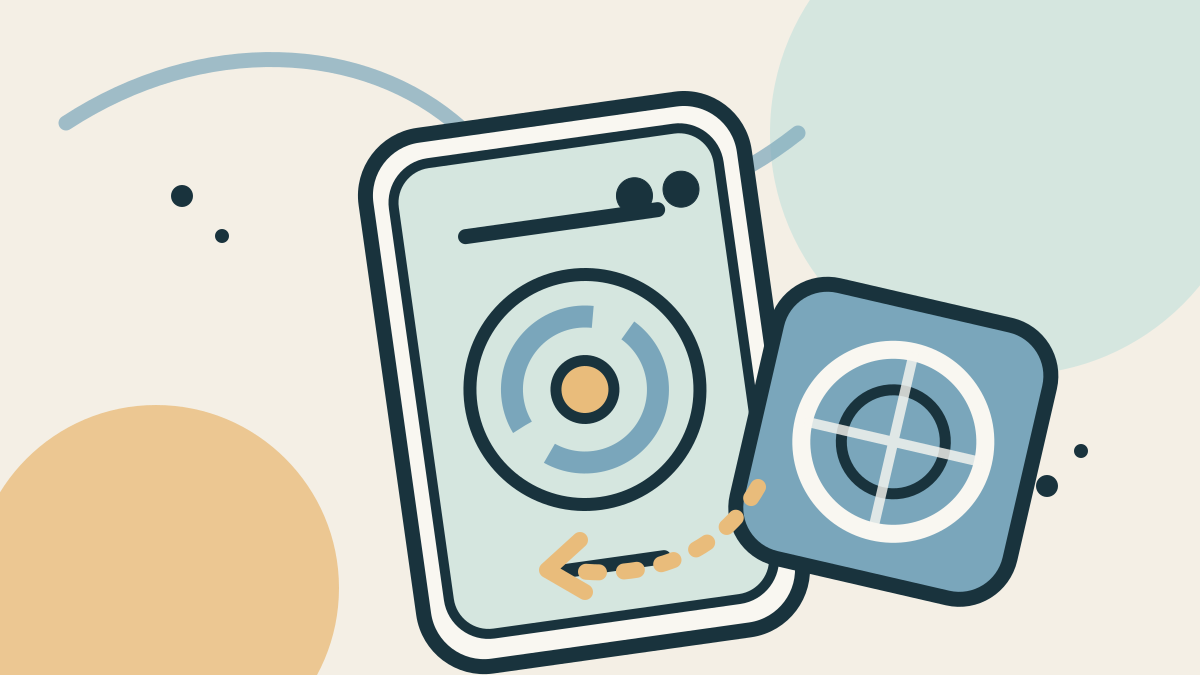
The Galaxy S26 has become a useful lesson in how a small missing component can change an entire buying decision. The phones can work with Qi2 wireless-charging accessories, yet they do not contain the magnets that hold a phone in the intended position. Owners who want a magnetic charger, stand, wallet or battery pack need to add a compatible case.
That sounds like a minor accessory choice. It is not always one. A case changes the physical shape of the phone, the location of the magnetic ring and the distance to the charging coil. The camera housing can limit which battery packs sit flat. Samsung also says magnetic accessories can interfere with camera autofocus, the compass, wireless charging and NFC. The buyer is left to work out whether one particular phone, case and accessory will function together.
That recurring uncertainty points to a narrow opportunity: verified compatibility information. It does not justify buying cartons of untested accessories in the hope that a new phone will create easy sales. It can justify a small, disciplined service or publishing project for someone able to test combinations carefully and state what they did not test.
The complaint is about a broken buying path
Qi2 is a wireless-power standard managed by the Wireless Power Consortium. Its magnetic profile is intended to make alignment more reliable. The consortium says certification is the way to check whether a product has been tested to its standard.
The Galaxy S26 family occupies an awkward position in that system. Samsung's own Silicone Magnet Case has integrated magnets for Qi2 charging and magnetic accessories. The phone itself does not. Reviews from WIRED, TechRadar and Tech Advisor all identify the same practical limitation: owners need a case to gain magnetic attachment.
The resulting complaint is more precise than “the phone should have magnets.” People want to know whether their existing charger will work, whether a magnetic battery clears the camera, whether the claimed charging mode appears, and whether a wallet or stand is secure enough for ordinary use. Product listings often say “compatible” without naming the exact phone model, case geometry, charger certification or limitation.
That is a purchasing problem with a repeatable shape. A buyer risks wasting money, returning an item, or accepting a slow or unreliable charging setup. A small retailer risks the opposite: a vague bundle creates support contacts and returns that consume the margin.
A standard does not settle the whole setup
The Wireless Power Consortium's 2023 announcement explains that Qi v2.0 includes a Magnetic Power Profile as well as an enhanced profile without magnets. The distinction matters. A Qi2 label is evidence about a standard and a product's certification path. It does not, by itself, prove that every case, camera bump, stand, battery pack and phone will form a satisfactory physical system.
For an S26 owner, the setup has four layers.
- The phone model determines its dimensions, camera layout and charging capability.
- The case supplies the magnetic attachment and may alter alignment or clearance.
- The charger, stand or power bank supplies power and has its own coil position, shape and rating.
- The use case decides what “works” means: a flat bedside pad, an upright desk stand, a car mount, a wallet or a battery pack each create a different fit test.
Samsung's warning about possible interference is particularly important. A responsible guide should not tell a buyer that a magnetic accessory is safe or suitable in every circumstance. It should repeat the relevant manufacturer caution, identify the exact products tested and leave repair, safety and device-fault decisions to the manufacturer or qualified technician.
Where the money already goes
Samsung earns money from devices and accessories, though its public reporting does not separate the revenue of a particular case or charger. Its 2026 AGM reference material reported KRW 188.0 trillion in FY2025 revenue for the broad Device eXperience division. That figure includes far more than Galaxy accessories, but it shows the scale of the device ecosystem surrounding a flagship phone.
Accessory makers earn through cases, chargers, stands, mounts and battery packs. Standards bodies and accredited laboratories earn through membership, testing and certification services. The Wireless Power Consortium describes certification as a way to establish interoperability and safety, while laboratories such as Element offer Qi certification services for transmitters and receivers.
These are not models a beginner should try to copy. Manufacturing, certification and national distribution require engineering capability, capital, supplier relationships and liability control. The accessible layer sits after the product is made: helping a particular buyer or smaller retailer choose and document a combination with clear boundaries.
The useful offer is a compatibility record
A credible small operator could sell one of three modest outputs.
- A tested buying guide for one exact S26 model and one use case, such as a desk charger or magnetic battery pack. It earns through editorial sponsorship or affiliate links only where disclosures are clear.
- A retailer bundle audit. The operator tests a small set of the retailer's own case-and-charger combinations, records results and rewrites the listing so buyers know the precise phone and case required.
- A setup session for a local customer who already owns the items. The service consists of fitting the case, checking the manufacturer instructions, observing charging attachment and documenting the combination. It should not promise charge speed, repair hardware or diagnose a faulty phone.
The product is a bounded compatibility record. Each record should name the phone variant, software version if relevant, case model, charger model, power adaptor used, orientation, whether the camera housing cleared, whether charging began and any manufacturer caution. A short video can show attachment, but it should not be presented as a laboratory result.
This is a modest service business. Its payer is a retailer who wants fewer confused buyers, an accessory brand that wants better product information, or a consumer who values a setup that has been checked in person. Revenue is a fixed fee for a defined test set, a paid setup appointment, or properly disclosed commission on products the operator has independently tested. The limiting cost is time, test equipment and the risk of returns or mistaken recommendations.
A five-combination pilot is enough to test demand
Start with conversations, not inventory. Ask five S26 owners or one specialist retailer to name the exact accessory combination that caused uncertainty. A useful pattern is specific: “Will this case work with this battery pack?” A vague request for “better accessories” is not enough evidence for a service.
If the same problem appears, borrow or buy only the minimum items needed to test five combinations. Set a hard spending cap that you can afford to lose. Use manufacturer instructions, avoid opening sealed stock that cannot be returned, and keep a dated record of the setup. Publish or hand over a one-page result for each combination: confirmed fit, conditional fit, or unresolved.
The decision rule is simple. Continue only when owners or a retailer ask for additional, named combinations after seeing the first records. Stop if the questions vary too widely, the manufacturer already provides clear verified bundles, or returns and support risk would consume the likely fee.
What a small entrant should avoid
Avoid calling every magnet-equipped case “Qi2 certified.” Certification belongs to the product and its stated certification status, not to a casual description. Check the consortium's product database and the manufacturer's documentation before using that language.
Avoid health, safety or repair claims. Wireless charging involves heat, batteries and device protections. Follow the product instructions, stop a test if a device behaves unexpectedly and direct a buyer to the manufacturer or an appropriately qualified repair provider where needed.
Avoid universal promises. A phone, case and charger may attach successfully while a wallet, battery pack or car mount fails because of shape, weight or camera clearance. Compatibility depends on the exact combination.
Avoid building the business around a single model release. The durable skill is documenting accessory systems clearly. A publisher or retailer that can do that for several models and brands has a better chance of building trust than one trying to ride a single launch.
The practical conclusion
The Galaxy S26's missing internal magnets create a real buyer problem because the accessory decision has become a small systems-integration job. The money is not in pretending that every new magnetic charger is an opportunity. It is in reducing uncertainty with an exact, transparent compatibility record.
For a beginner, that means a low-cost test: five conversations, five named combinations and a clear stop rule. For a retailer or experienced reviewer, it can become a useful layer of product information. For anyone drawn to accessory resale alone, the safer first question is whether they can prove one setup works before they buy stock for fifty.
Sources
- Wireless Power Consortium: Qi standards and certification
- Wireless Power Consortium: Qi2 certification announcement
- Samsung Galaxy S26 Silicone Magnet Case guidance
- Samsung 2026 AGM reference material
- WIRED Galaxy S26 review
- TechRadar Galaxy S26 review